
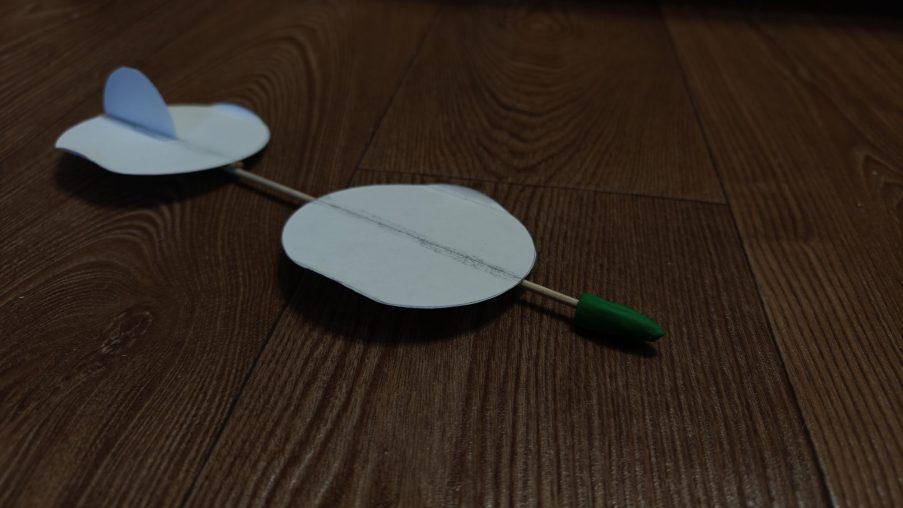
 Written by
 1)Material preparation. Take a sheet of heavy watercolor paper, one long round wooden skewer, two short three-millimeter skewers 95 mm long each, glue, and a small amount of modeling clay.
2)Marking and cutting the planes. Using a compass or a protractor, draw two identical circles 95 mm in diameter on paper and neatly cut them out along the line.
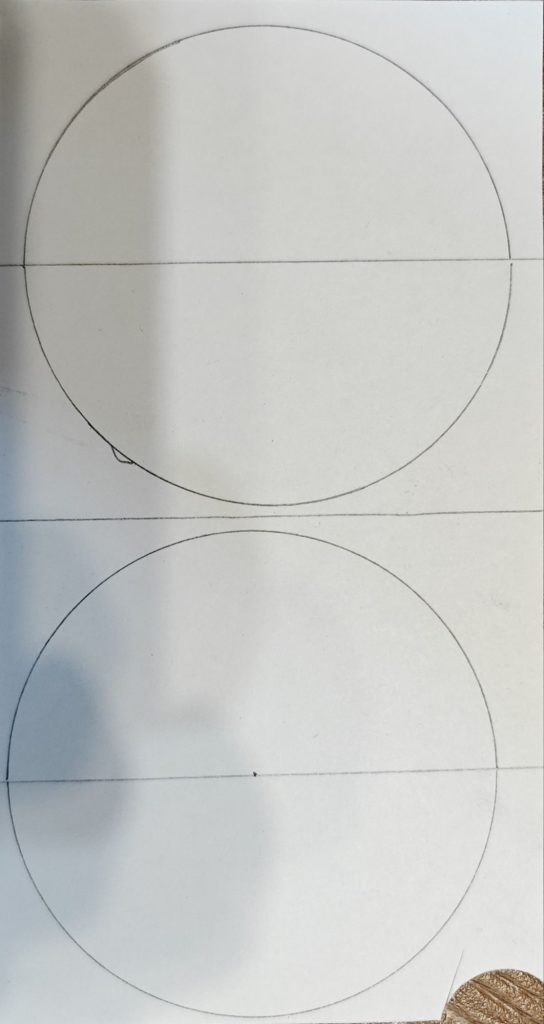
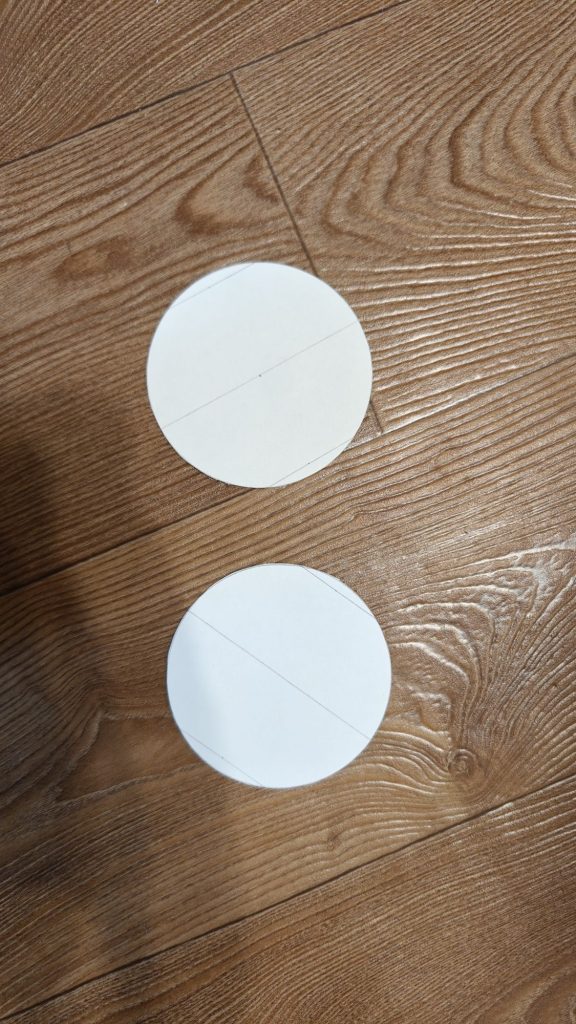
3)Forming the wingtips. Measure exactly 5 mm from the side edges of both wings, score fold lines, and smoothly curve these edges upward at about 45 degrees using a round pencil or pen.
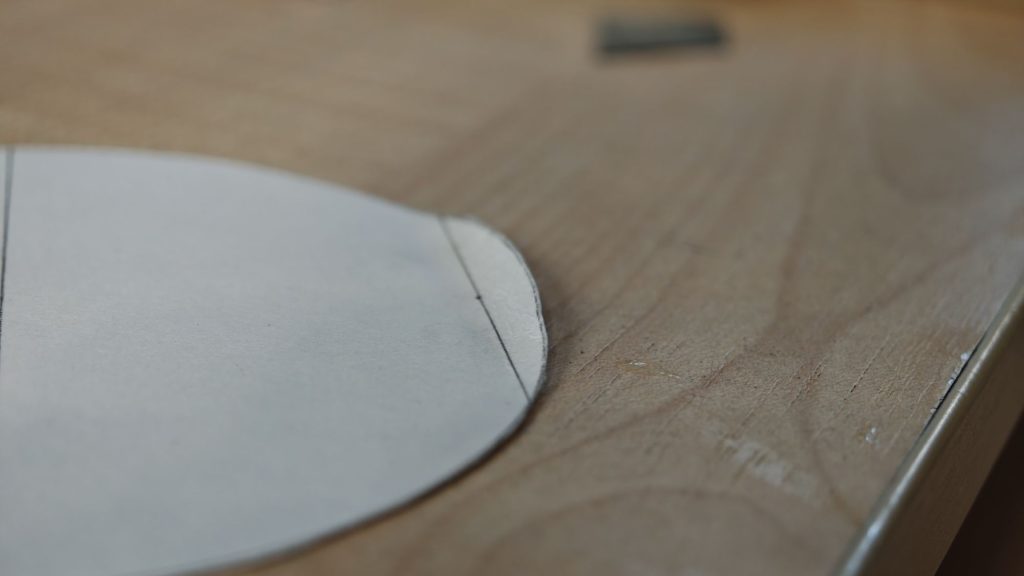
4)Making the vertical fin. Cut out a semicircular vertical stabilizer 50 mm long from paper and bend small tabs at the bottom for mounting onto the wing.
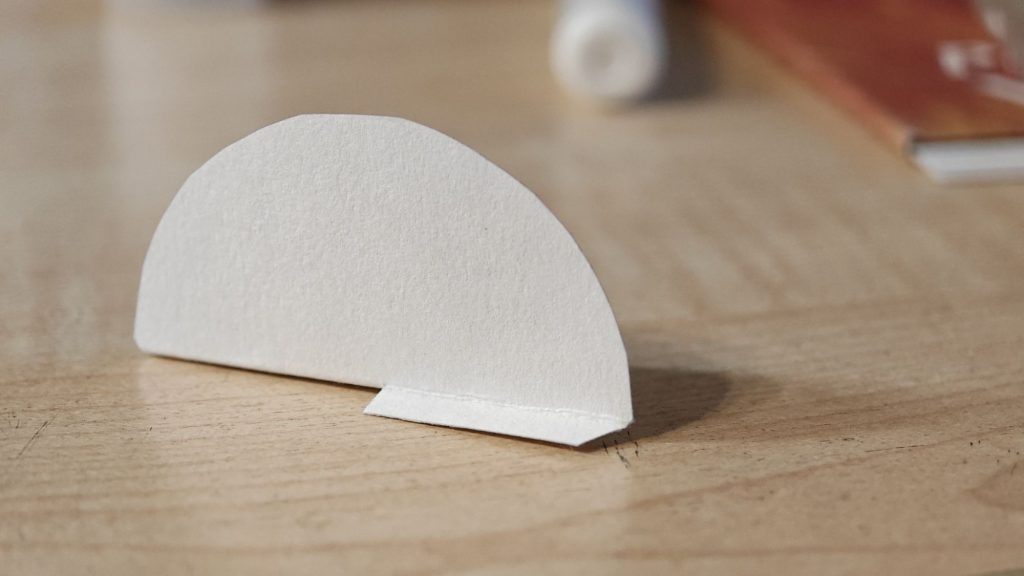
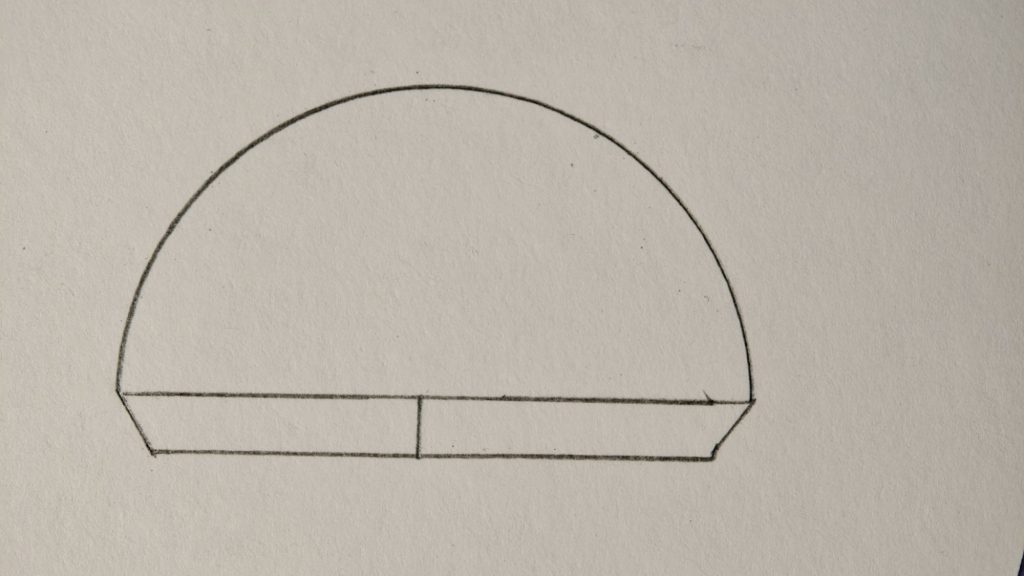
5)Assembling the structural frame. Glue two short 95-mm skewers together into one double element, then firmly glue it to the very tail end of the main long skewer.
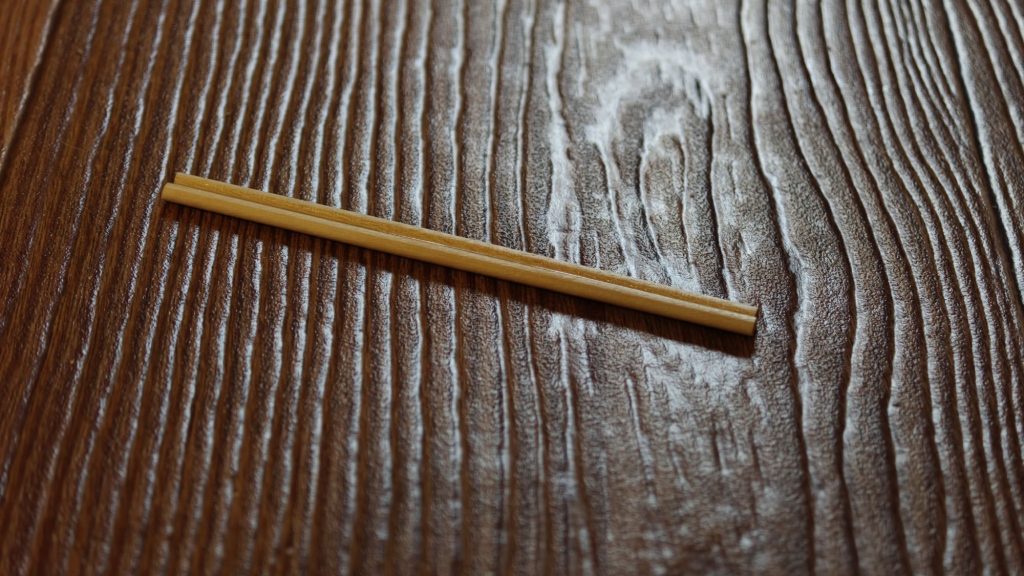
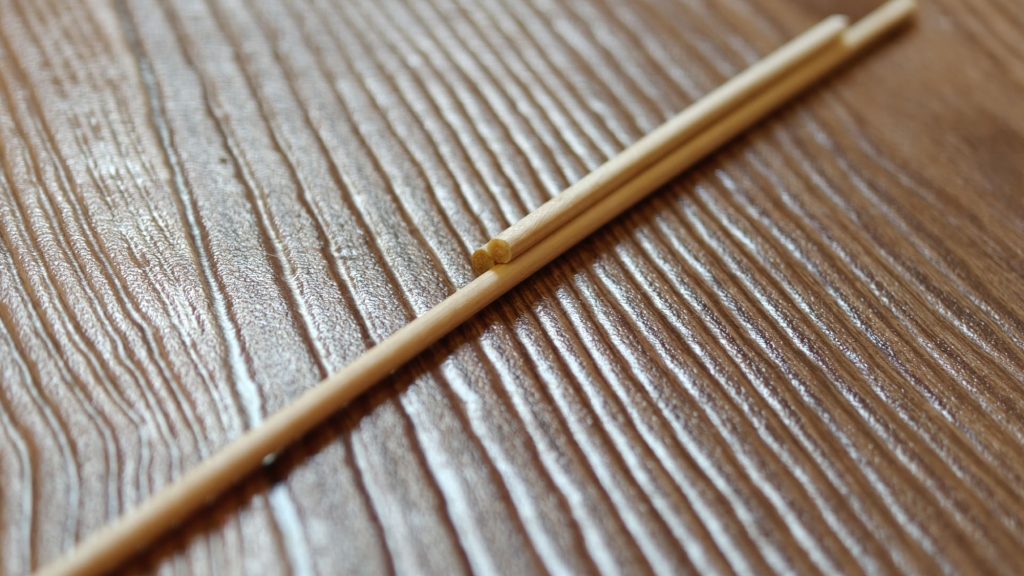
6)Installing the rear wing. Glue the prepared disk with pre-curved wingtips on top of the double skewer strictly in the center and perpendicular to the longitudinal axis of the fuselage.
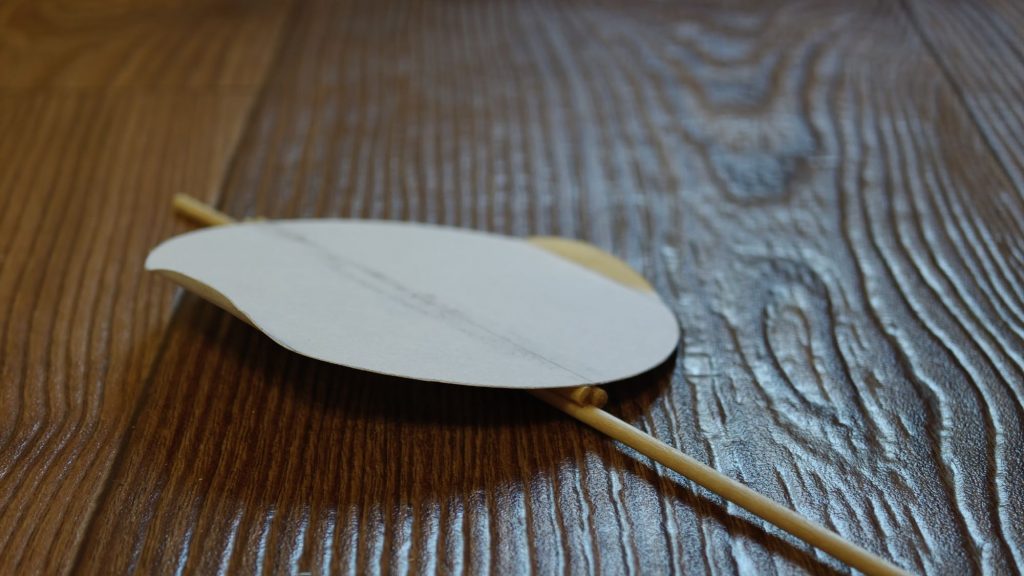
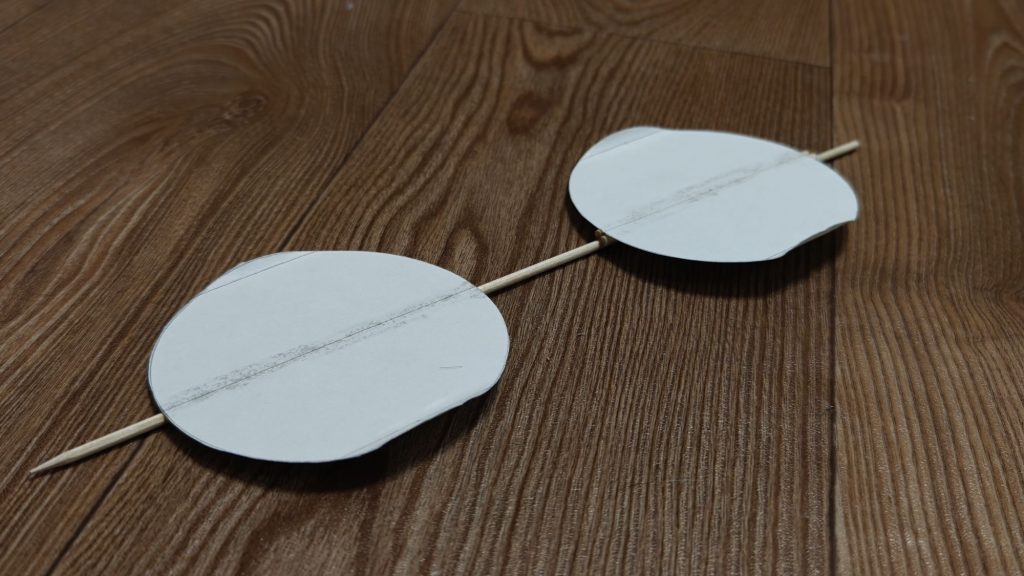
7)Mounting the front wing. Measure 40-45 mm forward along the stick from the leading edge of the rear wing and fix the second wing in the exact same horizontal plane so that the distance between the wingtips on both sides is equal.
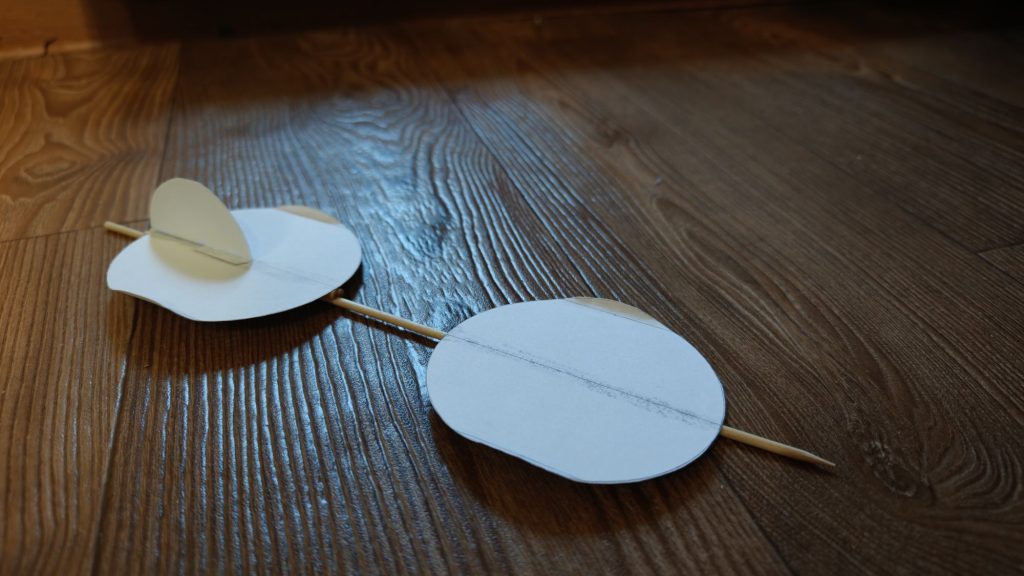
8)Attaching the vertical tail. Glue the semicircular fin by its tabs along the centerline of the rear wing, pushing it as far back as possible (a 1-2 mm protrusion beyond the trailing edge is normal), keeping it strictly aligned with the fuselage.
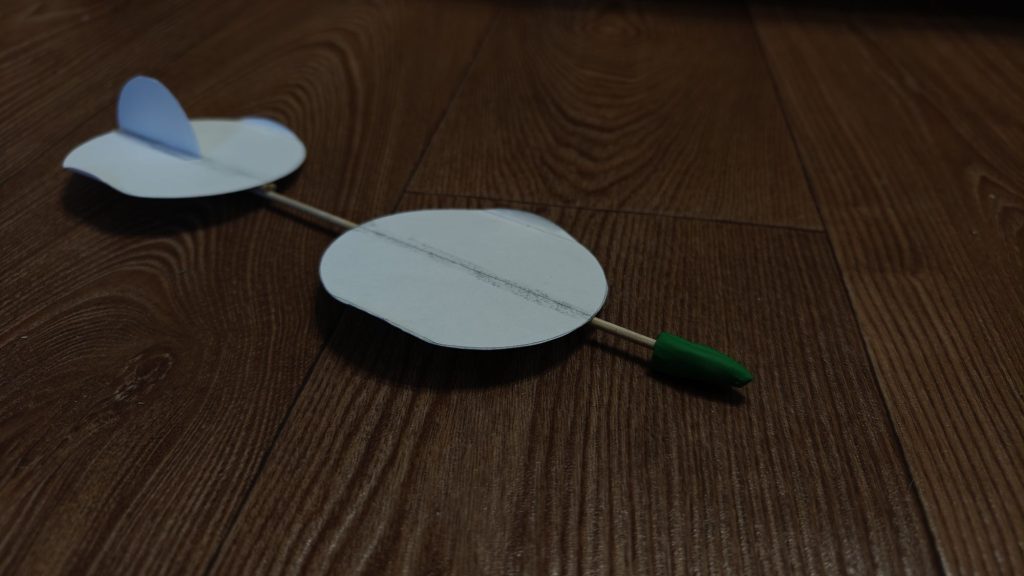
9)Initial balancing. Attach a piece of modeling clay to the nose end of the long skewer and make soft test launches to tune horizontal gliding.
10)Pitch adjustment. If the glider dives sharply toward the ground, remove some mass, but if the model pitches up, add modeling clay (a tiny bit if it pitches up at the end of the flight, and a larger portion if it pitches up right at the start).
11)Roll correction. If the glider veers off to the side or rolls over, carefully adjust the vertical fin by hand to achieve perfect alignment parallel to the main skewer.
Meow